
Property Tax For New Construction: What Texas Homeowners Need To Know
January 6, 2026

Key Takeaways:
- Assessment Date Matters: January 1 is the fixed date used to determine the taxable status of new construction, regardless of completion after that point.
- Partial vs. Full Valuation: If the home is not finished by the assessment date, only the completed portion and land are taxed, which may lower the initial bill.
- Valuation Can Be Reviewed: Texas homeowners have the right to challenge overestimated new construction appraisals using verified data and market comparisons.
Building a new home is an exciting milestone, but it also brings a number of responsibilities that many property owners may not expect upfront. One of the most important, yet often misunderstood, is how and when that new construction will be taxed. Property tax on a newly built home in Texas does not begin when you move in or receive a certificate of occupancy. Instead, it’s based on specific rules set by local appraisal districts, and small timing differences during the construction process can lead to major changes in how much you owe. Knowing the process can help you avoid surprises and better prepare for what’s ahead.
At Harding & Carbone, we have spent decades focused solely on property tax matters across Texas. Our firm has helped some of the largest property owners in the state reduce their tax liabilities with data-backed strategies and in-depth valuation expertise. We operate in every county and have built our reputation on results, not assumptions. We bring that same experience to homeowners who want to understand how their property is assessed and what their rights are under Texas law.
Understanding Property Tax For New Construction In Texas
In Texas, property taxes don’t wait until your home is finished or you’ve moved in. Once construction begins, county appraisal districts start evaluating both the land and any progress made on the structure. This can result in assessments that fluctuate year to year, especially if the home isn’t complete by the annual cutoff date. Many homeowners are surprised to learn that even a partially built home can carry a tax burden based on its status as of January 1st.
The assessment process looks at the property’s market value as of that single date each year. If your home is still being built, only the completed portion such as the foundation or framing, may be considered taxable. But if the home is finished by January 1st, the full value of both the land and the structure will likely be reflected in the appraisal. Knowing how your county approaches this process helps you anticipate what to expect on your notice of value.
Harding & Carbone works directly with Texas property owners to provide insight, guidance, and representation throughout the property tax cycle. Our team offers customized property tax solutions to help you stay ahead of the process and ensure your new construction assessment aligns with the facts on the ground.
When Does A New Construction Home Get Assessed?
Understanding when your newly built home gets assessed for property taxes is essential if you want to avoid unexpected costs. The value assigned depends heavily on one specific day and the state of construction at that time. Here’s how the timing of your build affects how much you’ll owe:
January 1st Is The Critical Assessment Date
Each year, Texas appraisal districts evaluate properties based on their condition as of January 1st. This single date determines whether your property is taxed as a vacant lot, a partially completed structure, or a finished home. Regardless of progress before or after this point, what stands on the land that day sets the foundation for your tax valuation.
How Partial Construction Is Valued
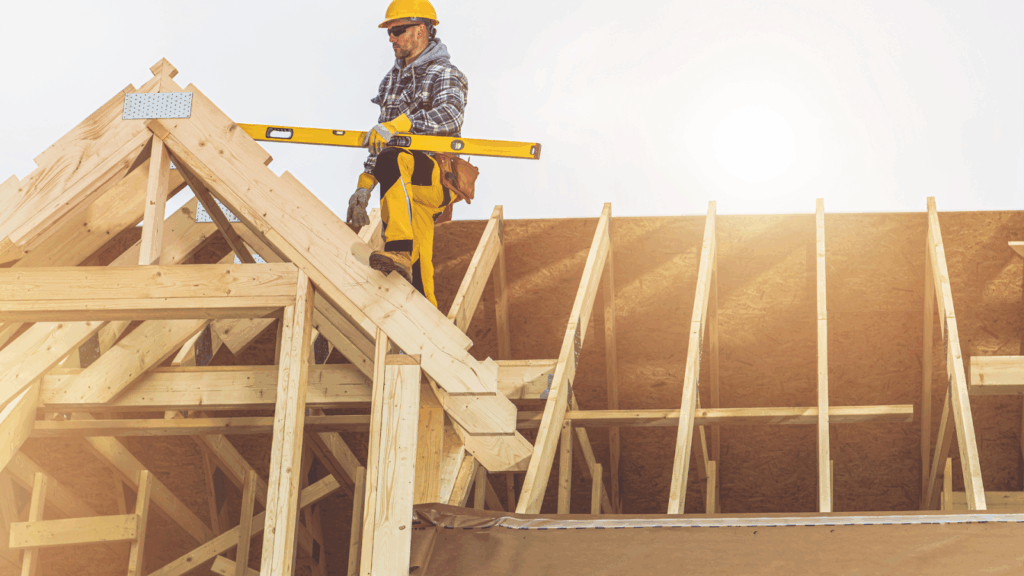
If your home is still being built when January 1st arrives, the appraisal district will typically apply a partial assessment. This means they will tax the land and only the portion of the home that has been physically completed, such as the foundation or framing. The more complete the structure appears, the higher the assessed value may be for that year.
Full Assessments For Completed Homes
When a home is finished by the January 1st deadline, the appraisal will reflect the full market value of the land and the completed structure. It doesn’t matter whether you have officially moved in, the completion date is what matters. Even a few days’ difference in the construction timeline can significantly change your property tax bill.
The Role Of Timing In Your Tax Obligation
The difference between a December 31st and a January 2nd completion date could mean thousands of dollars in tax liability. Being aware of how your construction timeline lines up with this deadline gives you an advantage in understanding and possibly challenging your assessment. If your home was recently built or finished close to the cutoff date, it may be worth a closer look.
How Appraisal Districts Determine Your Home’s Value
Once your home is assessed, understanding how the value was calculated can help you evaluate whether the number is fair. Appraisal districts follow defined methods to estimate a property’s market value, but those methods can vary in accuracy. Below are the most common valuation approaches used for new construction:
Comparable Sales Are The Foundation
Appraisal districts typically begin by looking at recent sales of similar properties, known as comparables or “comps.” These are homes in the same area with similar square footage, design, age, and features. If valid comps are available, they become the primary tool for determining your home’s market value.
Adjustments For Property Differences
Because no two homes are exactly alike, appraisers apply adjustments to account for differences between your property and the chosen comps. These adjustments consider factors such as additional square footage, upgraded materials, or unique features. The adjusted values are then used to estimate what your home would likely sell for under current market conditions.
Using The Cost Approach When Comps Are Lacking
If there are few or no suitable comps, especially in new subdivisions, the appraisal district may switch to a cost-based method. This involves estimating how much it would cost to rebuild the home using standard materials and labor, then subtracting depreciation where appropriate. While useful in some cases, this method can lead to inflated values if construction costs are higher than typical market rates.
Data Accuracy And The Risk Of Error
Even with standardized methods, appraisal districts can make mistakes. They may overestimate the stage of completion, rely on outdated comps, or overlook changes made during construction. When this happens, the assessed value may not reflect the true market condition of your property.
Partial Vs. Full-Year Assessments: What You Need To Know
For new construction in Texas, how much property tax you owe depends not only on what is built but also on when it is built. The status of your home on January 1st determines whether the property is subject to a partial or full-year assessment. Here’s how these two approaches differ and why the distinction matters:
What A Partial Assessment Means
If your home is under construction on January 1st, the appraisal district will typically assign a partial value based on the visible progress. Only the land and the portion of the home that has been completed by that date will be taxed. This can significantly reduce your property tax for that year, especially if the structure is in early stages such as slab, framing, or exterior work.
When Full-Year Assessments Apply
Once your home is considered substantially complete before January 1st, a full assessment is likely. This includes the land and the entire value of the finished structure, even if you have not moved in. Completion is determined based on physical inspection, permits, and construction documentation available to the appraisal district.
Why Timing Matters For Your Tax Bill
The difference between being partially built and fully completed by the assessment date can have a large impact on your tax liability. Homes finished just days before the deadline are often taxed at full value, while others completed shortly after may only reflect land or partial improvement value. Understanding where your project stood on January 1st is critical when reviewing your notice of appraised value. Learn more about how our specialized services support Texas homeowners facing these timing-related challenges.

Why New Construction Can Be Overvalued
It is not uncommon for newly built homes in Texas to receive assessed values that are higher than expected. This happens for several reasons, often tied to gaps in data, assumptions about the property, or inconsistencies in how construction progress is reported. The following factors are among the most frequent causes of overvaluation:
Limited Or Inaccurate Comparable Sales
In developing neighborhoods or custom builds, there may be few recent sales to use as reliable comparisons. Appraisal districts might pull comps from outside the immediate area or use homes that vary significantly in quality, size, or features. These mismatches can distort the estimated value of your property and result in a higher tax bill than is warranted.
Incomplete Or Outdated Builder Information
Valuations are often influenced by permits, plans, and construction estimates submitted by builders. If the final structure differs from the original plans, or if the appraiser does not receive updates about changes during construction, the assessed value may not reflect the actual condition of the home. This is especially common when high-end finishes or design changes are scaled back before completion.
Misjudging The Stage Of Completion
Appraisal districts may overestimate how complete a home is, particularly when only the exterior is visible. A house that appears finished on the outside may still lack major interior components such as flooring, fixtures, or appliances. If the appraisal reflects a fully completed structure when significant work remains, the valuation may not be accurate.
The Impact Of These Errors
An overvalued property can lead to inflated tax bills that do not match the home’s true market value. For new construction, even a small error in estimating square footage, finish level, or construction status can make a noticeable difference. Identifying and addressing these issues early helps protect homeowners from unnecessary costs.
How Harding & Carbone Helps You Challenge An Inflated Valuation
When your newly constructed home receives an assessed value that does not reflect reality, it can be frustrating and costly. Challenging the valuation may feel complex, especially if you’re not familiar with how appraisal districts operate. Harding & Carbone brings clarity to this process with professional support backed by data and decades of experience.
Comprehensive Review Of Appraisal Data
Our team conducts a detailed analysis of the information used by the appraisal district. This includes reviewing the selected comps, analyzing adjustments, and identifying potential inaccuracies in how your home was valued. We compare the district’s data with our own research to determine whether a protest is warranted.
Strategic Use Of Local Market Knowledge
Because we focus solely on property tax matters in Texas, our professionals understand the nuances of local markets and district procedures. We know what evidence is effective during appeals and how to present a case that stands up to scrutiny. This insight is especially valuable for new construction, where errors are more common.
Hands-On Representation And Support
From filing deadlines to hearings, we handle each step of the appeals process on your behalf. Our approach is built on accuracy, preparation, and responsiveness. If your home was overvalued during construction or shortly after completion, Harding & Carbone provides the support you need to pursue fair taxation.

Final Thoughts
Building a new home is a major accomplishment, but the property tax implications that follow can catch many homeowners off guard. In Texas, your assessment hinges on timing, construction progress, and how accurately the appraisal district evaluates your property. Understanding these factors puts you in a stronger position to respond if something looks incorrect on your notice of value.
Whether your home was finished just before or just after January 1st, the condition of the property on that date plays a significant role in what you will owe for the year. Small details such as incomplete interior work, incorrect square footage, or outdated comps can have a big effect on your tax obligation. Taking the time to review your assessment and comparing it to actual market conditions can prevent overpayment and reduce future tax burdens.
If you believe your new construction assessment may not reflect your home’s true condition or value, Harding & Carbone is here to help. Our team provides knowledgeable, focused support across Texas. Reach out to us to begin a review and explore your options.
Frequently Asked Questions About Property Tax For New Construction In Texas
Can I apply for a homestead exemption on a newly built home?
Yes, once your new home becomes your primary residence, you can apply for a homestead exemption. You must occupy the home and submit the proper paperwork to your county appraisal district, typically by April 30 of the tax year.
Is there a deadline to protest a new construction property tax assessment in Texas?
Yes. Property owners generally have until May 15, or 30 days after receiving the Notice of Appraised Value, whichever is later, to file a protest.
Will temporary housing on the property, like a trailer, affect my property taxes?
If temporary structures are on-site, they may be considered personal property and typically are not included in the real property assessment. However, if permanently affixed, they could be evaluated.
Do I need to inform the appraisal district when construction is complete?
No, the appraisal district tracks progress through permits and site inspections. However, it’s wise to verify that their records accurately reflect the status of your home.
Can I be taxed retroactively if my home was completed last year but underreported?
Yes. If the appraisal district discovers an underreported completion, they can correct the value in the following year or issue a back assessment depending on circumstances.
How does the tax rate apply to a newly constructed property?
The tax rate is the same for new construction as it is for existing properties and is applied to the appraised value of the land and improvements.
Are property tax payments due at different times for new construction?
No. Property taxes for new construction follow the same schedule. Tax bills are usually issued in October and due by January 31 of the following year.
What happens if construction spans across two tax years?
Each year is assessed independently. The property will receive a partial value in the first year, and a full value the following year if completed by the next January 1.
Is there a way to estimate my future property taxes during construction?
Yes. You can contact your appraisal district for preliminary values or consult a property tax consultant to help estimate based on construction progress and area rates.
Do property taxes increase once a certificate of occupancy is issued?
Not automatically. The appraisal district bases its assessment on the physical status of the property as of January 1, regardless of occupancy dates or permits issued after that.