
Non-Disclosure States In Real Estate: What It Means For Houston Property Owners
June 4, 2026

Key Takeaways:
- Texas Privacy Rules: Texas is one of only a handful of states where sale prices are not required to be reported as public record after a property transaction closes.
- Appraisal Uncertainty: Because appraisal districts cannot access verified sale prices, mass appraisal methods are used, which can result in assessed values that do not reflect true market worth.
- Protest Potential: The data gaps created by non-disclosure rules give Texas property owners legitimate grounds to challenge inaccurate assessments and potentially reduce their tax burden.
If you own property in Houston, the rules around real estate sales data affect you more than you might realize. Texas keeps sale prices off the public record, which means the numbers used to assess your property’s value are built on limited information. That gap between what a home actually sold for and what an appraisal district thinks it is worth can quietly push your tax bill higher than it should be.
At Harding and Carbone, we have spent over 50 years helping Texas property owners navigate exactly these kinds of challenges. Our team understands how appraisal districts operate in a non-disclosure environment, and we use that knowledge to build strong, evidence-based cases for our clients.
In this piece, we will be discussing what non-disclosure means in real estate, how it applies to Texas, and why it matters for your property taxes as a Houston homeowner.
What Non-Disclosure States In Real Estate Actually Mean
In the world of real estate transactions, not every state requires the sale price of a property to be publicly reported. In non disclosure states real estate markets operate under rules that allow buyers and sellers to keep the final purchase price private, meaning it does not become part of the public record after a transaction closes.
This stands in contrast to disclosure states, where sale prices are filed with county or local government offices and made accessible to anyone. In disclosure states, that data becomes a foundational resource for appraisers, real estate agents, and government assessors when determining property values.
The distinction matters because access to sales data directly shapes how property values are estimated across an entire market. Without transparent pricing, the methods used to assess and tax properties must adapt, and that has real consequences for property owners.

Is Texas A Non Disclosure State And How Does It Affect Houston Homeowners?
Understanding how Texas handles real estate sales data is essential for any property owner in Houston. The state’s stance on disclosure shapes everything from how homes are valued to how tax assessments are calculated. Here is what you need to know about Texas and its non-disclosure framework:
Where Texas Stands On Real Estate Disclosure
Texas is one of a select group of states on the non disclosure states list that does not require sale prices to be reported as public record. When a property changes hands in Texas, the final purchase price remains between the buyer, seller, and their respective parties, and is not filed with any government office.
Property Sales Records Texas: What Is And Is Not Public
While sale prices stay private, Texas does make certain property records publicly available, including ownership transfers, deed recordings, and appraisal district valuations. These records are accessible through county appraisal districts, but the actual dollar amount paid in a transaction remains undisclosed.
How This Shapes The Houston Real Estate Market
Because verified sale prices are not publicly recorded, real estate professionals and appraisal districts in Houston must rely on alternative data sources to estimate market value. This creates a less transparent environment where property valuations can vary, and where informed representation becomes especially valuable for homeowners navigating the tax process.
Non Disclosure State Property Tax Impact: How Appraisers Work Without Sale Prices
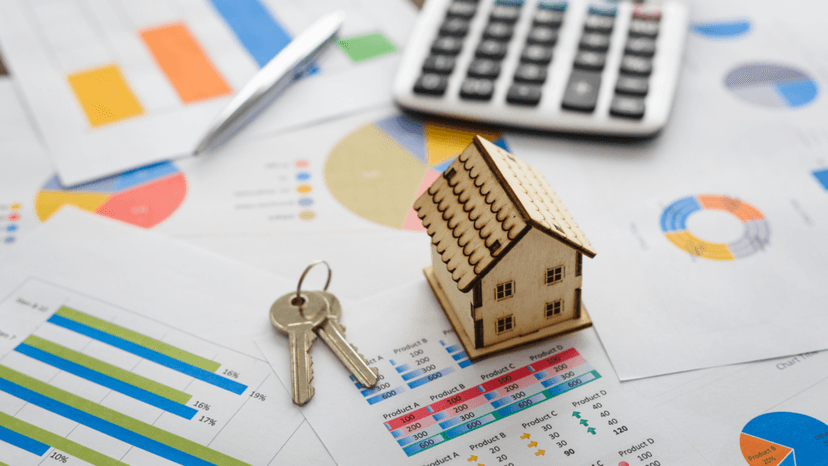
The absence of publicly available sale prices creates a distinct set of challenges for property tax appraisers in Texas. How an appraisal district estimates your property’s market value directly affects what you owe in taxes each year. Here is how the non-disclosure environment shapes that process:
How Appraisers Estimate Value Without Sales Data
Without access to verified sale prices, appraisers rely on mass appraisal techniques, analyzing available market indicators such as listing prices, deed transfers, and neighborhood trends. This approach introduces a margin of error, and in many cases, properties end up appraised at values that do not accurately reflect real market conditions, which is where real estate disclosure laws texas become a point of ongoing debate.
The Role Of Comparable Sales In A Non-Disclosure Market
Comparable sales remain a critical tool even in a non-disclosure environment. Appraisers and property owners alike use available data to build valuation arguments, though the process is more complex without confirmed sale prices. Understanding how comps work in this context is important, and our resource on Comparable Sales Explained for Texas Property Tax Protests breaks this down further.
Why Non Disclosure States Real Estate Rules Create Protest Opportunities
Because appraisals in non-disclosure states are built on incomplete data, assessed values are more likely to be inaccurate. This creates legitimate grounds for property owners to challenge their valuations. Knowing the What Is a Valuation Date in Texas Property Taxes can further strengthen your position when filing a protest with your local appraisal district.

Final Thoughts
Texas operates as a non disclosure states real estate market, and that reality has lasting implications for Houston property owners. Without publicly reported sale prices, appraisal districts work from incomplete data, and assessed values do not always reflect what properties are truly worth. That gap is not just a technicality. It is an opportunity to ensure your property is fairly valued and that you are not overpaying on your tax bill. If you believe your assessment is off, a Harris Central Appraisal District Appeal may be the right next step.
At Harding and Carbone, property tax is what we do so you don’t have to. With over 50 years in the property tax industry and individual consultants dedicated to each client, we bring focused expertise to every case. There are no upfront fees for residential representation, meaning you only pay when you get results. We are here to help reduce your tax burden and protect what you have worked hard to build.
Frequently Asked Questions About Non-Disclosure States In Real Estate
How many non-disclosure states are there in the United States?
There are currently 12 states that do not require sale prices to be publicly disclosed after a real estate transaction.
Does Texas require a transfer tax that could reveal sale prices?
No, Texas does not impose a real estate transfer tax, which further limits public access to actual transaction amounts.
Can a buyer in Texas find out what a seller originally paid for a property?
Not through public records, as sale prices in Texas are strictly between the transacting parties.
Do lenders in Texas have access to actual sale prices?
Yes, lenders receive full transaction details during the mortgage process, but that information is not released to the public.
Are new construction sale prices also protected under Texas non-disclosure rules?
Yes, newly built homes sold by developers are subject to the same non-disclosure rules as resale properties.
Does Texas plan to become a disclosure state in the future?
There is no current legislation moving Texas toward mandatory sale price disclosure, though the topic surfaces periodically in real estate policy discussions.
Can a real estate agent legally share a sale price in Texas?
Agents may share sale price information privately with clients, but it is not mandated to be reported to any public database.
How do online real estate platforms get sale price data in Texas if it is not public?
Platforms often rely on voluntary reporting from agents, title companies, or MLS submissions rather than government-filed records.
Does non-disclosure affect homestead exemption calculations in Texas?
The homestead exemption is applied to the appraised value set by the appraisal district, not the sale price, so non-disclosure does not directly alter exemption eligibility.
Are commercial properties in Texas subject to the same non-disclosure rules as residential properties?
Yes, Texas non-disclosure rules apply to both residential and commercial real estate transactions without distinction.
Table of Contents
Key Takeaways:What Non-Disclosure States In Real Estate Actually MeanIs Texas A Non Disclosure State And How Does It Affect Houston Homeowners?Non Disclosure State Property Tax Impact: How Appraisers Work Without Sale PricesFinal ThoughtsFrequently Asked Questions About Non-Disclosure States In Real EstateMost Recent Blogs
October 19, 2026

Texas BPP Rendition Deadlines And Penalties Explained
Learn the business personal property rendition due date in Texas, penalty rules, and how to file Form 50-144 accurately with Harding & Carbone.
October 16, 2026

How To Avoid The 10% Penalty For Late Business Personal Property Rendition
Facing a late rendition penalty in Texas? Learn how the 10% rule works, when waivers apply, and how to protect your business going forward.
October 15, 2026
Real Property Vs. Personal Property Tax In Texas: What’s The Difference?
Learn the real property vs personal property tax difference in Texas and how each is assessed. Harding and Carbone can help you manage both.
October 14, 2026

Common Mistakes Businesses Make When Filing Texas Personal Property Renditions
Harding and Carbone shares common Texas personal property rendition mistakes, from missed deadlines to asset errors, and how to avoid higher tax bills.
October 13, 2026

How Appraisal Districts Value Business Personal Property
Harding and Carbone explains how appraisal districts value business personal property, from asset records and depreciation to tax rates and appeal options.
September 22, 2026

Denton County Appraisal District: How To Lower Your North Texas Property Tax Bill
Harding and Carbone explains how the Denton County Appraisal District calculates home values and what North Texas owners can do to lower their tax bill.